


Energy & resources
Energy resilience and the long view
Considering reliability, resources and context together.
Read the insight
Full menu
Environment & water
Making resource questions visible early.
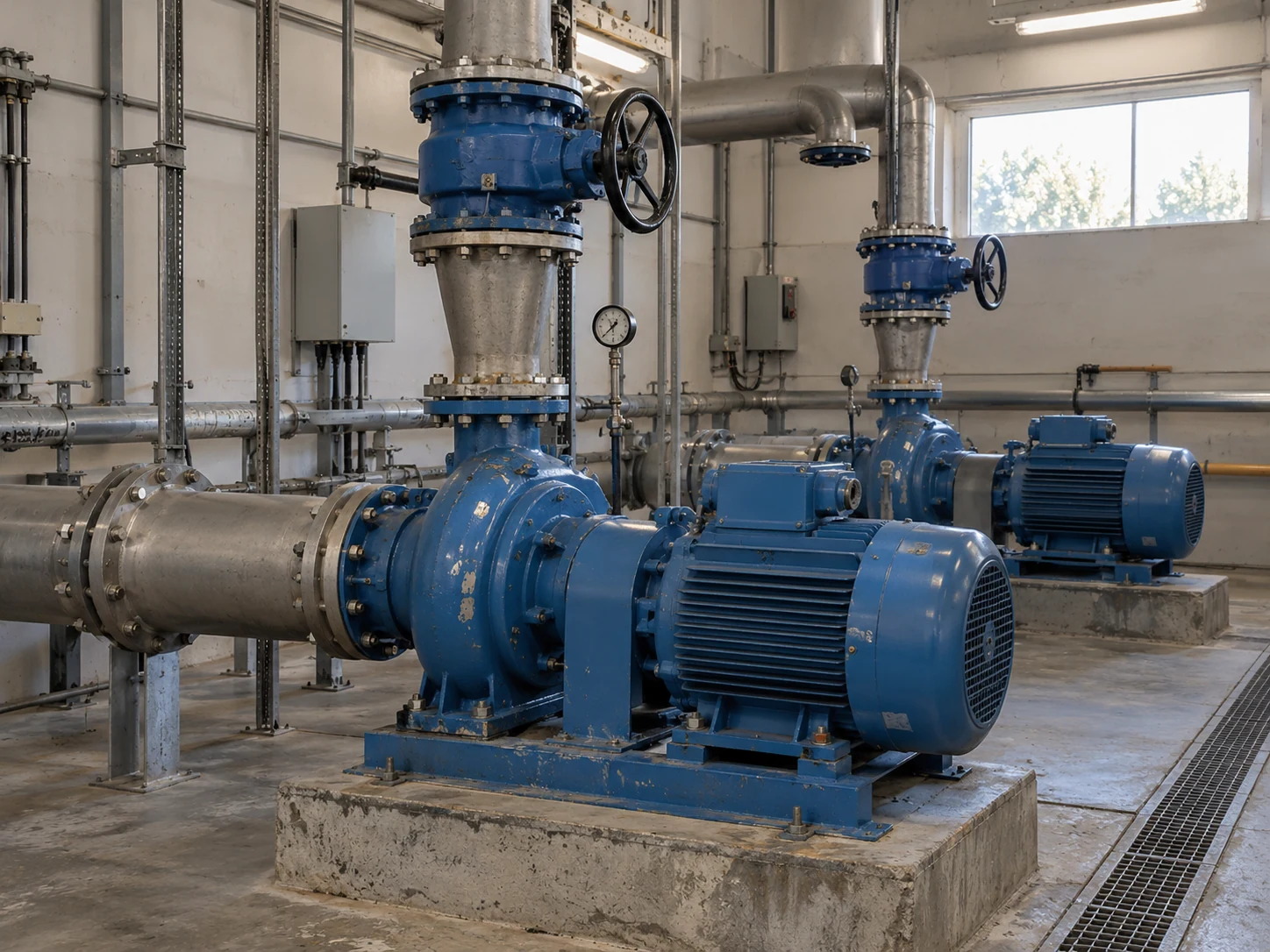
Water can shape how a system is designed and operated, even when water is not the product. Cooling, cleaning, processing and simple daily use all create demand, and that demand interacts with local conditions. An introduction becomes clearer when it explains its needs, the local context and the assumptions about access.
Early design choices often fix water requirements for a long time. The choice of process, site or equipment can make a system more or less dependent on reliable supply. When these choices are explained, it becomes possible to ask whether alternatives exist and what they would change. Some of these choices are hard to reverse once construction begins.
Water also connects a project with its neighbours. Other users, ecosystems and communities may rely on the same sources. An introduction that acknowledges these relationships shows an understanding of context that goes beyond the boundaries of a single site. Where shared sources are under pressure, these relationships deserve particular care.
It is worth noting how water use changes over the life of a system. Construction, operation and eventual decommissioning may each have different needs. Describing these stages, even briefly, gives a more complete picture than a single estimate.
Responsible discussion distinguishes a current observation from a future expectation. What is known about water availability and quality today, and how was that knowledge gathered? What is expected to change, and on what basis? Keeping these categories separate makes a conversation more precise. The difference between the two is often where the most important questions sit.
Uncertainty is normal in this area. Seasonal variation, changing demand and evolving rules can all affect access over time. Rather than claiming certainty, a thoughtful introduction describes what remains open and how it would be monitored. Where information is limited, it helps to say how that gap could be filled.
Operating choices matter as much as initial conditions. Which practices could reduce unnecessary use? Could water be recovered, treated and reused within the system? Where such options exist, explaining them shows that resource use has been considered as part of everyday operation.
A transparent account makes further examination possible. It allows specialists to contribute, assumptions to be tested and risks to be understood before they become problems. It also signals a willingness to learn from the place where the idea will operate.
Resilience is specific to context. A design that works well in one climate or landscape may need substantial adaptation in another. A useful approach invites the right expertise rather than claiming that one solution fits every location.
Local knowledge is often the most valuable input. People who know a place understand its patterns, its constraints and its history in ways that general data cannot capture. Ideas that make room for this knowledge tend to be more realistic and more durable. Engaging it early is a sign of respect as well as good judgement.
Resilience also means planning for change. What would happen during a period of reduced supply? Which parts of the system could adapt, and which would be most affected? Considering these questions early is far easier than responding to them under pressure.
Partnerships can strengthen resilience as well. Shared monitoring, cooperation with other users and openness about changing conditions all help a system respond calmly when pressure rises. These arrangements are rarely visible in a technical description, yet they often determine how well an idea performs.
Seen this way, water is not a separate topic but an operating context that runs through an entire project. Treating it as such leads to clearer introductions, better questions and more considered decisions over a longer horizon. It is a perspective that rewards patience and careful listening.
Energy & resources
Considering reliability, resources and context together.
Read the insight
Critical materials
The context of a material matters as much as its intended use.
Read the insight