

Critical materials
Responsibility in critical materials
The context of a material matters as much as its intended use.
Read the insight
Full menu
Energy & resources
Considering reliability, resources and context together.
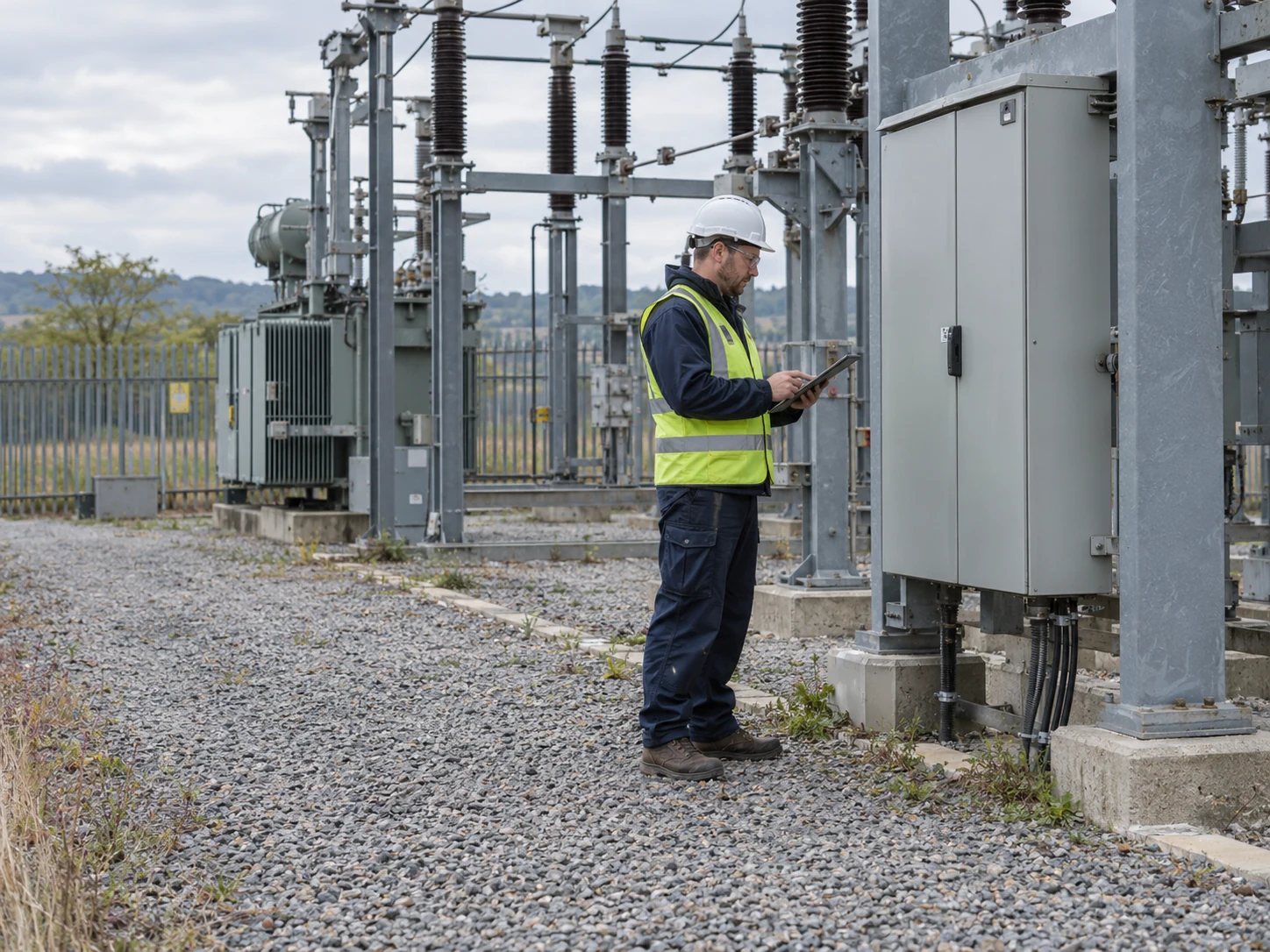
Energy is rarely valued for its own sake. It matters because of what it makes possible: light and heat, movement, production, communication and learning. When an energy idea is introduced, the most useful starting point is therefore the service it supports and the people who rely on it. A clear description of that service frames everything that follows.
This framing helps to avoid a common trap. Technology labels can suggest a great deal while explaining very little about how a system will be used. A project becomes easier to understand when its intended use, operating conditions and relationship with existing infrastructure are explained in plain language. The label can come later.
It also helps to describe the setting honestly. Who operates the system today, and who will operate it after any change? What other systems does it connect to, and what happens if one of them fails? These questions shape the practical value of an idea more than its headline features.
Seen this way, an energy idea is first a promise about a service: that it will be available, practical to run and safe to depend on. Each of those qualities can be examined. Starting from the service makes it easier to judge which technical choices matter most and which are secondary.
Resilience is often described as a property, but in practice it is closer to a habit. It reflects how well a system responds when conditions change: when demand rises, when supply is interrupted or when a component needs repair. A resilient system is not one that never fails, but one that recovers in a predictable way.
Several practical elements support this. Maintenance needs to be planned and resourced, not assumed. Spare parts, supply relationships and the skills required to operate a system all deserve attention early. Where an idea depends on a single supplier or a rare skill, saying so allows the risk to be discussed openly. Training people who can run and repair a system is part of resilience, not an extra.
Resilience also depends on the assumptions behind a plan. What level of use is expected, and how sensitive is the system to changes in that level? Which conditions would make the idea harder to sustain? Clear descriptions make these assumptions easier to examine together, and examined assumptions are far more valuable than confident ones.
Time is part of the picture as well. Energy infrastructure tends to remain in place for a long period, so choices made early can shape options for many years. A long horizon calls for careful questions rather than a fixed outcome.
Environmental context should remain part of the same conversation as reliability and cost, rather than a separate chapter added at the end. Every energy system draws on materials, land and often water, and every system has effects beyond its immediate purpose. Considering these together leads to more coherent decisions.
It is more useful to identify effects, uncertainties and evidence than to rely on broad positive labels. Which effects are well understood, and which depend on local conditions? What information is available, and what would need to be gathered? An honest account invites expertise; an overstated one discourages it.
Context also differs from place to place. A solution that suits one landscape or climate may need significant changes in another. Ideas that acknowledge this, and explain how they would adapt, are easier to evaluate and more likely to last. Where local knowledge exists, involving it early often saves time later.
Taken together, these questions describe energy as part of a wider system rather than an isolated technology. That perspective does not make decisions simpler, but it makes them better informed. It is the kind of conversation a long-term view is meant to support.
Critical materials
The context of a material matters as much as its intended use.
Read the insight
Environment & water
Making resource questions visible early.
Read the insight